
Podcast
The Tyler Woodward Project
Everything you grew up trusting got stripped for parts, and somehow that got called progress. The Tyler Woodward Project is a weekly show about the stuff that used to work, the people quietly holding it together, and the people profiting while it falls apart. Work, money, media, technology, and the occasional thing that’s actually still good, which at this point feels like breaking news. No...
Episodes
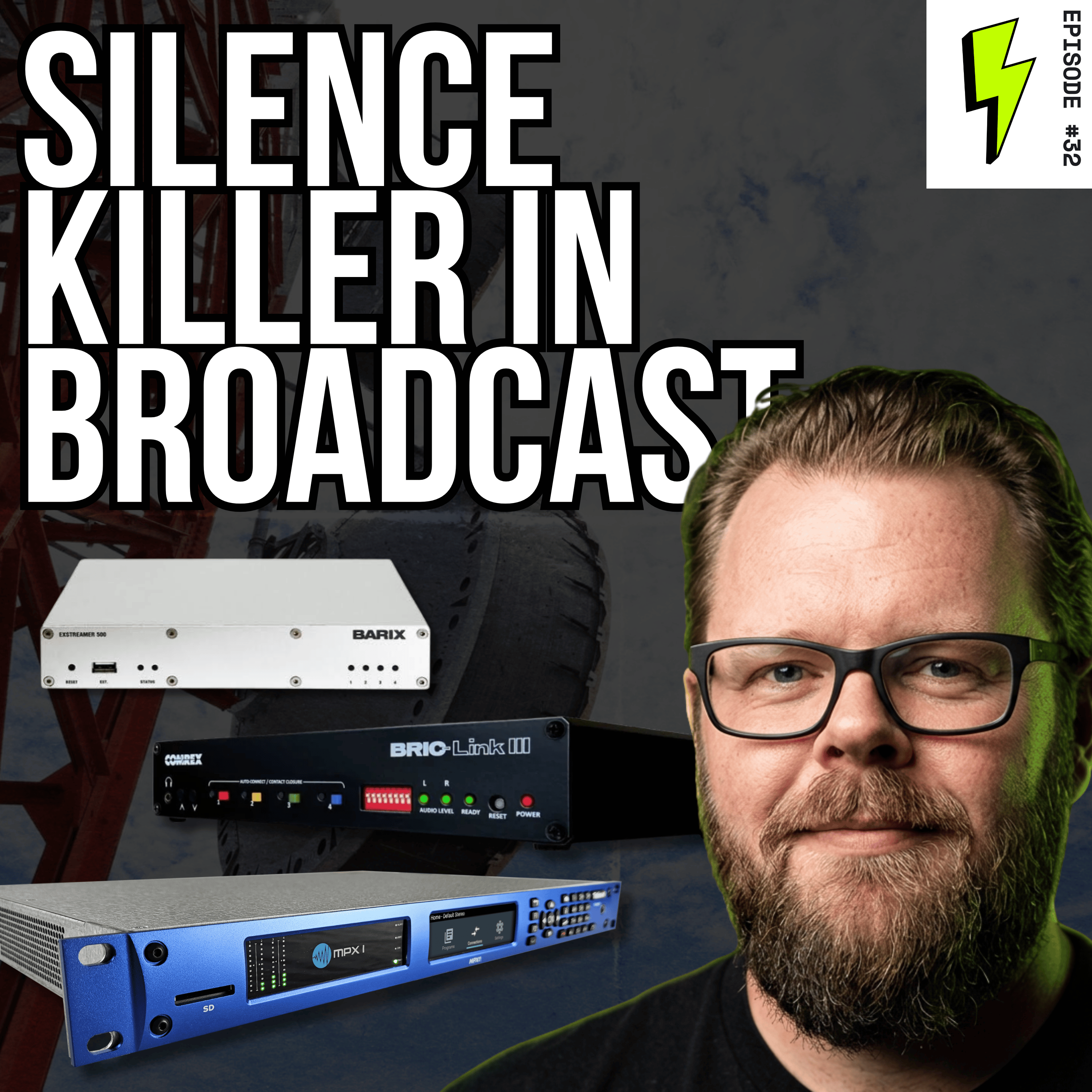
The One Cable That Can Take Your Station Off the Air
I’ve been thinking about the one cable that can take a whole station off the air, and it’s usually the cheapest fix that gets ignored. The studio to transmitter link. Everyone assumes it just works, until the day it doesn’t, and when it fails, none of your fancy equipment matters. I’ve seen systems from the 80s still humming along because nobody touched them, and when I ask about backup, there usually isn’t one, or there’s one nobody trusts enough to actually use.
In this episode I get into what actually breaks that link, how licensed microwave stacks up against IP based options, and why running a second path isn’t a luxury anymore. Even a small internet circuit can work as real backup if you set it up right. I talk about the risks of going cheap on internet service, why diverse backhaul matters, and why losing that link doesn’t just cause a hiccup, it can put your whole station off air without anyone noticing until it’s too late. If you’re an engineer tired of gambling on your STL, or a manager who wants things to stay running when something breaks, this one’s for you.
All opinions and views expressed in this episode are my own and do not represent my employer or any affiliated organizations.
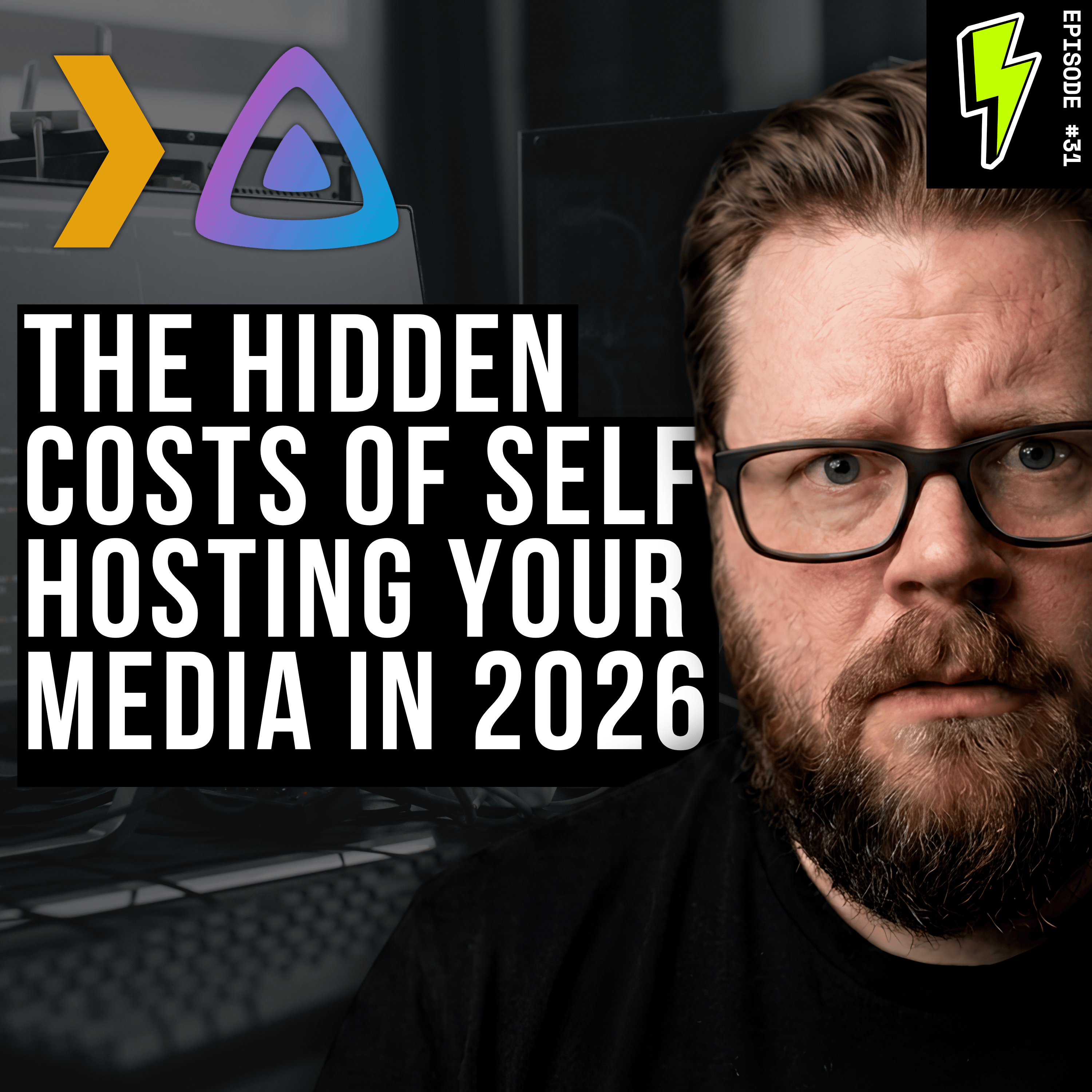
The Hidden Cost of Self-Hosting Your Media in 2026
Plex changed its subscription model and a lot of people who thought they owned their media server setup found out otherwise. This episode is about what running your own media server actually costs in 2026, in money, time, and patience.
I walk through the real tradeoffs of self-hosting, why demand for actually owning your media keeps climbing, and I close with an install guide for anyone ready to take the plunge this year.
All opinions and views expressed in this episode are my own and do not represent my employer or any affiliated organizations.
The Day Local Radio Got Smaller
iHeartMedia laid people off again, and every round of cuts makes local radio a little less local. This one traces how we got here: the Telecommunications Act that opened the floodgates, the private equity money that followed, and the consolidation that turned hundreds of local stations into one playlist with different call letters.
I also get into where the live human voices went. Some left for podcasting and YouTube. Most just got cut. Radio's whole advantage was a real person in your town talking to you, and the industry keeps treating that like a cost center instead of the product.
All opinions and views expressed in this episode are my own and do not represent my employer or any affiliated organizations.
How Minneapolis Ended Up in My Car
I was driving around La Crosse and my radio started showing a Minneapolis station. That's HD radio hijacking, and it's a real thing with real consequences for small stations.
This episode covers how it works technically, actual examples of it happening, and why the current rules leave LPFMs and stations without digital signals holding the short end. The regulations were written for a different era, and it shows.
All opinions and views expressed in this episode are my own and do not represent my employer or any affiliated organizations.
Radio Had a Plan to Beat Spotify. It Didn't Work.
HD Radio was supposed to be terrestrial radio's answer to the digital future. Better audio, extra channels, data services. Twenty-some years later, most listeners still don't know it exists, and the ones who do mostly found it by accident in a rental car.
I go through the history: what was promised, why adoption stalled, what the internet did to the whole plan, and where AM-HD fits in. There's a real engineering story here, and a business story about what happens when a technology arrives right as the ground shifts under it.
All opinions and views expressed in this episode are my own and do not represent my employer or any affiliated organizations.
The Hidden Flaws in Streaming Audio Metrics
Broadcast radio ratings get independently measured. Streaming numbers come from the platforms themselves, graded on their own homework, with no outside verification. That difference matters more than most people realize.
I dig into how platforms decide what counts as a stream, how they classify and price plays, and what happens to royalty pools when a platform quietly reclassifies premium subscriptions. If you've ever wondered why streaming numbers never quite add up, this is why.
All opinions and views expressed in this episode are my own and do not represent my employer or any affiliated organizations.
How A UK Radio Broadcast Controls Household Heating
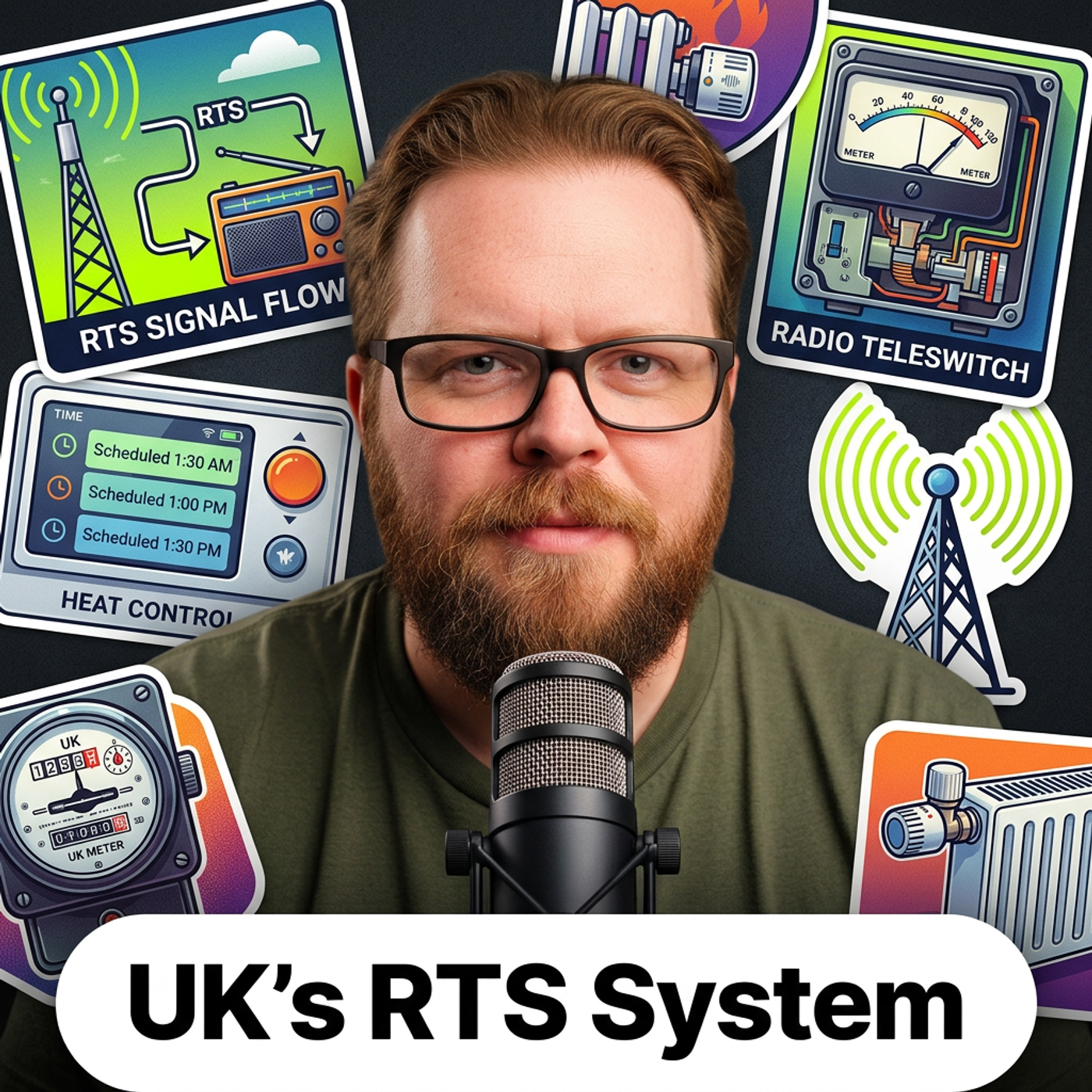
For over 40 years, a radio signal in the UK has been quietly switching household heating systems on and off. It's called the Radio Teleswitch Service, and it's one of the best examples of hidden data riding on broadcast signals that most people have never heard of.
I explain how RTS works, how the UK approach compares to what we do in the US, and what it means that the whole thing is finally shutting down after four decades of just working.
All opinions and views expressed in this episode are my own and do not represent my employer or any affiliated organizations.
Why Podcasting Metrics Matter: Understanding the RSS Enclosure Tag
The entire podcast industry runs on one tiny XML tag that nobody owns. The enclosure tag is why podcasting stayed open when everything else got platformed, and it's also why measuring an audience is so much messier than anyone admits.
I cover where RSS and the enclosure tag came from, how Spotify spent big trying to control the medium anyway, why a download is not a listen, and what Podcasting 2.0 is doing to extend the open standard without breaking it.
All opinions and views expressed in this episode are my own and do not represent my employer or any affiliated organizations.
Understanding RDS: The Hidden Backbone of FM Radio
There's a tiny data protocol still riding inside FM signals after all these years, and it's the reason your car's dashboard knows what song is playing. RDS and its US cousin RBDS are quietly holding up more than most people realize.
I cover where the standard came from, how it actually works at the technical level, and why it still matters for modern radio and modern vehicles.
Note:
All opinions and views expressed in this episode are my own and do not represent my employer or any affiliated organizations.
Cable News Is Not a Radio Product
Cable news channels have the staff, the brand recognition, and news gathering operations most radio stations can only dream of. Instead of building real audio products, they route the 24/7 TV feed to a streaming platform and call it done. CNN on TuneIn, Fox on SiriusXM, MSNBC's linear feed. You can technically listen. That doesn't make it radio.
Real audio assumes you can't see anything. The writing accounts for it, the pacing accounts for it, and when something visual happens, someone describes it. TV assumes you're watching, so when the anchor says "as you can see here" and a map fills the screen, audio listeners get silence. That's not a small problem. That's the whole product.
The proof it can be done is right there. WTOP in DC has run commercial all-news radio since 1969 and consistently ranks as the highest-rated station in the market, period. The BBC and CBC built radio as its own discipline. MSNBC's podcast operation shows they know how to produce for ears when they choose to. What's missing isn't talent or content. It's the decision to treat the live feed as something other than a TV byproduct.
This one is my opinion as someone who works in broadcasting and spends probably too much time thinking about radio. Take it for what it is.
Note:
All opinions and views expressed in this episode are my own and do not represent my employer or any affiliated organizations.
What’s Really Happening to AM Radio: The Infrastructure Side No One Talks About
The fight over AM radio isn't really about whether you listen to it. It's about what happens when the land under a tower is worth more than the station on it. Licenses keep declining, copper theft keeps getting worse, and the push to pull AM from new cars is only part of the story.
I get into the infrastructure side: why towers are worth more as real estate than as signals, why the federal government and emergency managers still call AM vital, and why the bills to protect it are sitting in Congress waiting for a vote. When the internet goes down, AM is still on. That's not nostalgia, that's the design.
AM isn't dead yet. But if nobody pays attention to the infrastructure, the decision gets made by default, one parking lot at a time.
Note:
All opinions and views expressed in this episode are my own and do not represent my employer or any affiliated organizations.
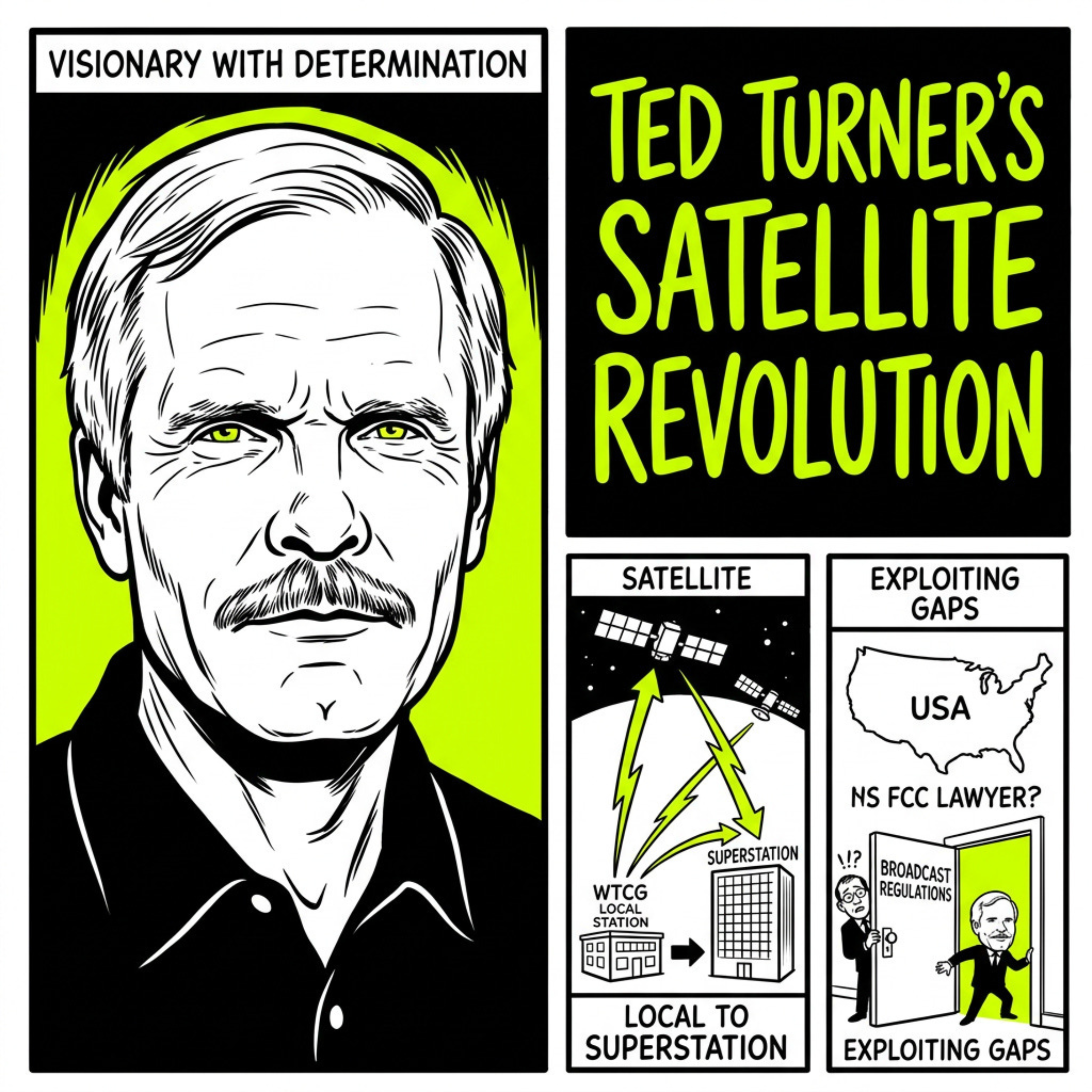
Ted Turner Didn’t Just Build a Network. He Exploited a Satellite Loophole.
Ted Turner died on May 6, 2026, at 87. The tributes will focus on CNN, the Gulf War coverage, the billion dollars to the UN. All real. But from a broadcast technology perspective, the most interesting thing he ever did happened on December 17, 1976, at a satellite uplink in Atlanta, when he beamed a struggling UHF station up to RCA's Satcom 1 and turned local television into something the industry hadn't named yet.
WTCG was Channel 17, a money-losing UHF station Turner programmed cheap: old movies, wrestling, and Braves games. When HBO proved commercial satellite delivery worked with the Thrilla in Manila in 1975, Turner immediately understood what it meant. The satellite didn't care what size your market was. His lawyer found a gap in the FCC's 1972 Open Skies policy, and nobody had thought to close the loophole that let a local broadcaster distribute nationally. Within two years, more than two million cable subscribers were watching Channel 17 Atlanta from places that had never heard of the Braves.
That gap is where the word "superstation" came from, and within a decade the model had seeded ESPN, MTV, and The Weather Channel. None of it required genius. It required someone willing to read a regulatory gap as an invitation instead of an oversight, and to move before anyone thought to close it.
Note:
All opinions and views expressed in this episode are my own and do not represent my employer or any affiliated organizations.
Why Broadcast Engineers Are Vanishing from Radio Stations
Most of America's radio stations no longer have a chief engineer, and nobody notices until a tower goes dark or the FCC fines start piling up. One station sat silent for six months because no one knew the transmitter had failed. That's not an accident. That's what happens when the people who keep the signal on the air get replaced by remote monitoring and a maintenance budget line.
I break down how deregulation, consolidation, and years of low wages hollowed out the engineering ranks. SBE membership is shrinking, the median age keeps climbing, and the people coming in aren't keeping pace with retirements. Meanwhile tower theft and aging infrastructure keep raising the stakes.
This isn't just a staffing problem. Chief engineers are the reason the signal stays clean, the emergency systems work, and the station stays compliant. Lose them and you lose the reliability the whole public safety layer depends on.
Note:
All opinions and views expressed in this episode are my own and do not represent my employer or any affiliated organizations.
Why the FCC’s Public File Can Cost Your Radio Station Thousands
The public file used to be a dusty binder in the lobby. Since 2018 it's a searchable, date-stamped online record that anyone can dig through, and every missed report, late political ad, or gap in the issues list is on the permanent record. The political file alone has produced some of the biggest enforcement actions in radio history, with fines running into six figures.
I go through where most violations actually come from: forgotten issues lists, missed quarterly reports, late political file uploads. The rules haven't changed much since the 80s, but the transparency has, and sloppy compliance is now a time bomb that goes off at license renewal.
If you're an engineer, GM, or owner, it's worth knowing exactly what's in that file and making sure it's right. Nobody's flying under the radar anymore. Every upload is timestamped and permanent.
Note:
All opinions and views expressed in this episode are my own and do not represent my employer or any affiliated organizations.
The Cross-Platform File Transfer Tool Broadcast Engineers Actually Need
Moving a file three feet shouldn't require a round trip to a distant server. LocalSend is a free, open source app that moves files, folders, and text directly over your own network with end-to-end TLS and no accounts, ads, or tracking. If you live with a mix of Windows, macOS, Linux, Android, and iOS, it's the rare tool that treats every platform like a first-class citizen.
I start with the familiar pain: emailing yourself photos, juggling cloud links, hitting the wall when AirDrop meets Windows. Then the design that fixes it: local discovery, a small HTTPS server on each device, and direct encrypted transfers at LAN speed. No relays, no Bluetooth handshakes, and the no-internet requirement is sometimes a feature, like on a travel router when hotel Wi-Fi is garbage.
I also cover the failure modes honestly, because "devices don't see each other" has real causes: mismatched SSIDs, AP isolation, strict firewalls, and VPNs hijacking local subnets. There's a short checklist that fixes most of it. If you know someone who still emails themselves attachments, send them this one.
Note:
All opinions and views expressed in this episode are my own and do not represent my employer or any affiliated organizations.

How Crowd Congestion and Building Materials Sabotage Your Cell Phone Signal
You walk into a big box store with full bars and walk out to a flood of missed notifications. It's not your phone and it's not your carrier. It's physics and congestion colliding. Buildings act like leaky shields, and crowds create digital traffic jams.
I break down both forces. The structure: metal roofs reflect and absorb radio waves, concrete and rebar soak up what's left, steel racks and coolers scatter the rest, and even that sleek glass storefront can have a metallic coating bouncing your signal back out. The people: hundreds of shoppers and staff devices sharing finite tower capacity, so a busy Saturday turns decent bars into unusable bandwidth.
The fix takes seconds: turn on Wi-Fi calling, force your phone onto Wi-Fi with airplane mode when needed, and drift toward the leaky spots near doors and big windows. If your signal only dies on weekends, that's your congestion clue right there.
Note:
All opinions and views expressed in this episode are my own and do not represent my employer or any affiliated organizations.
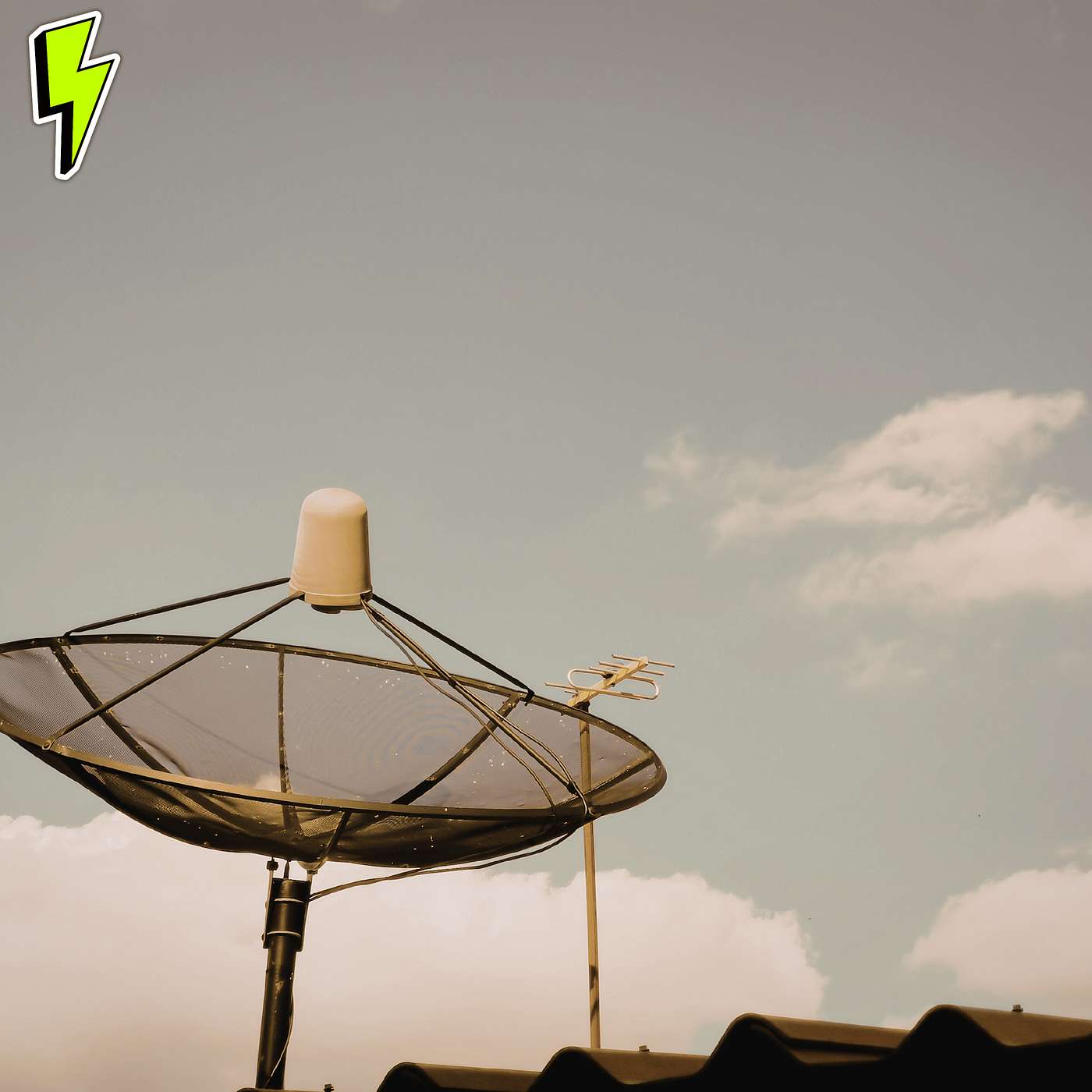
Millions Are Unknowingly Broadcasting Private Data Over Satellites And Here’s How To Fix It
Your phone call might have traveled 22,000 miles through space with zero protection, and someone with an $800 satellite dish could have heard every word. A new study from UC San Diego and the University of Maryland intercepted real, unencrypted satellite backhaul: voice calls, text messages, login credentials, and DNS queries, all spilling out across geostationary footprints using consumer hardware. This is a problem the industry has known about for decades.
I explain how everyday data ends up on satellites in the first place, remote towers, ships, aircraft, and rural networks, and why so much of it stays unencrypted while TV signals have been scrambled for years. Vendors sell encryption as an extra license. Carriers downplayed the risk. Recent attempts at basic telecom cybersecurity rules got rolled back.
Then the part you can control: use end-to-end encrypted messaging instead of SMS, turn on a trusted VPN in remote areas or in flight, stick to HTTPS and official apps for anything sensitive. Until encryption is the default instead of a paid add-on, treat satellite backhaul like what it is: a wide broadcast.
Note:
All opinions and views expressed in this episode are my own and do not represent my employer or any affiliated organizations.
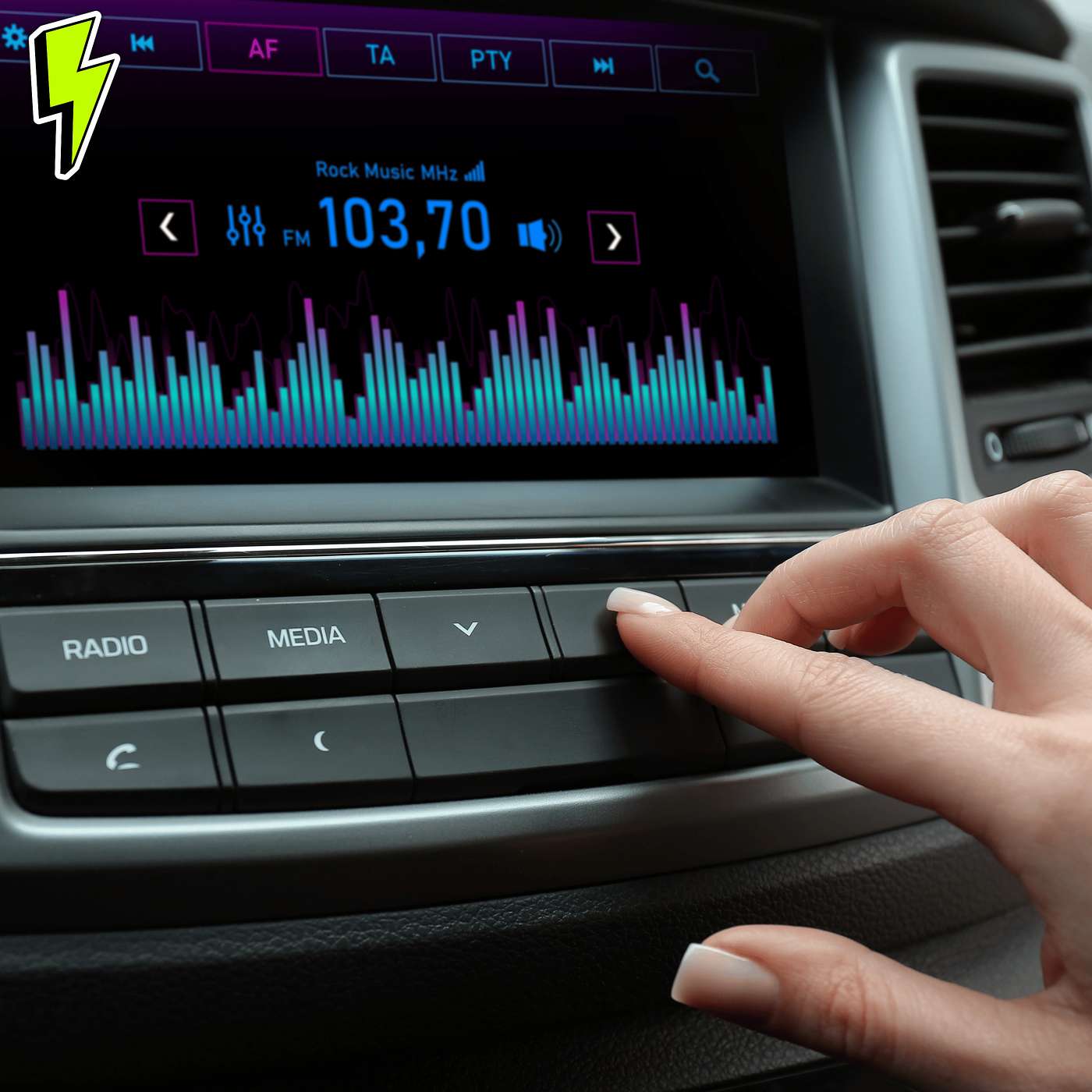
Local Radio Stations Are Going Dark, and Streaming Isn't the Real Reason
Local stations are going dark across the country, and blaming streaming only tells half the story. Media consolidation, voice tracking, and corporate cost cutting hollowed out AM and FM from the inside. Strip out the local DJs, local news, and community connection, and you're left with a zombie facility running a cookie-cutter feed from another state. Then everyone acts surprised when listeners leave.
I get into what local radio does that algorithms and push alerts can't: city council meetings, high school sports, bridging the digital divide in rural areas, and being the trusted voice when the power's out and the cell network is down.
The stations that survive in 2026 are the ones doubling down on being stubbornly local, with streaming, social, and podcasts as extensions of that, not replacements for it. If your town still has a station that sounds like your town, this episode is about why that matters.
Note:
All opinions and views expressed in this episode are my own and do not represent my employer or any affiliated organizations.
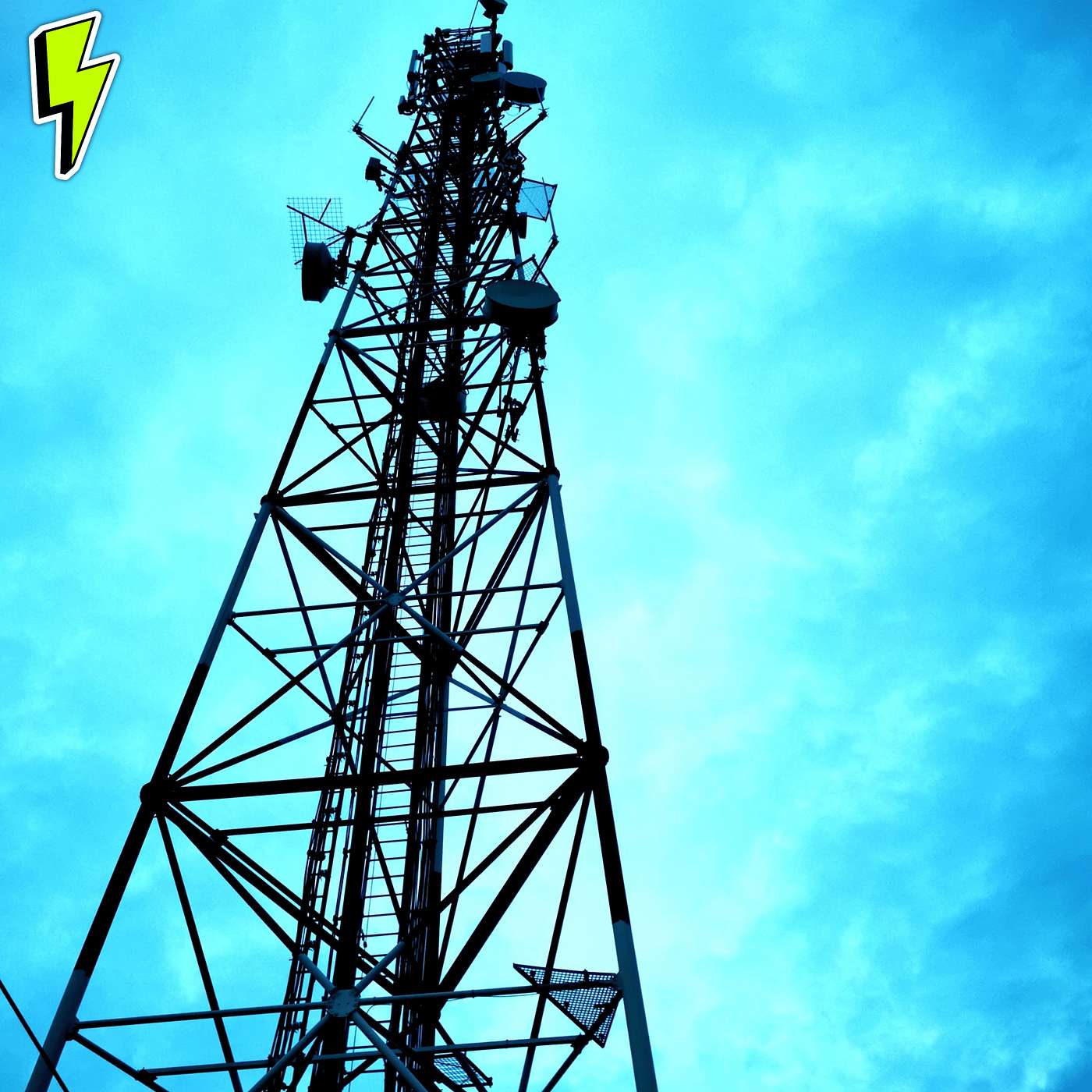
MaxxCasting Technology and the FM Radio Coverage Problem Nobody Talks About
FM coverage maps look bold and confident, but the actual audience listens six feet off the ground, weaving between buildings and hills where signals get chewed up. That's where audio turns fluttery and listeners quietly tune away. And the old "just add a booster" fix can make things worse in the overlap zone.
MaxxCasting, built by GeoBroadcast Solutions with GatesAir hardware, is cellular network thinking applied to FM: multiple low-power directional booster nodes on the same frequency, engineered with terrain data and time-aligned so the handoff in your car is seamless. The stakes go beyond sound quality. If the Nielsen PPM can't decode your signal, your listening doesn't count, your ratings slip, and advertisers never pay for the audience you actually have.
I also cover the question engineers always ask: how EAS fits into a synchronized booster network, what changes with zonecasting, and why the NAB still has concerns about scaling it in the real world.
Note:
All opinions and views expressed in this episode are my own and do not represent my employer or any affiliated organizations.
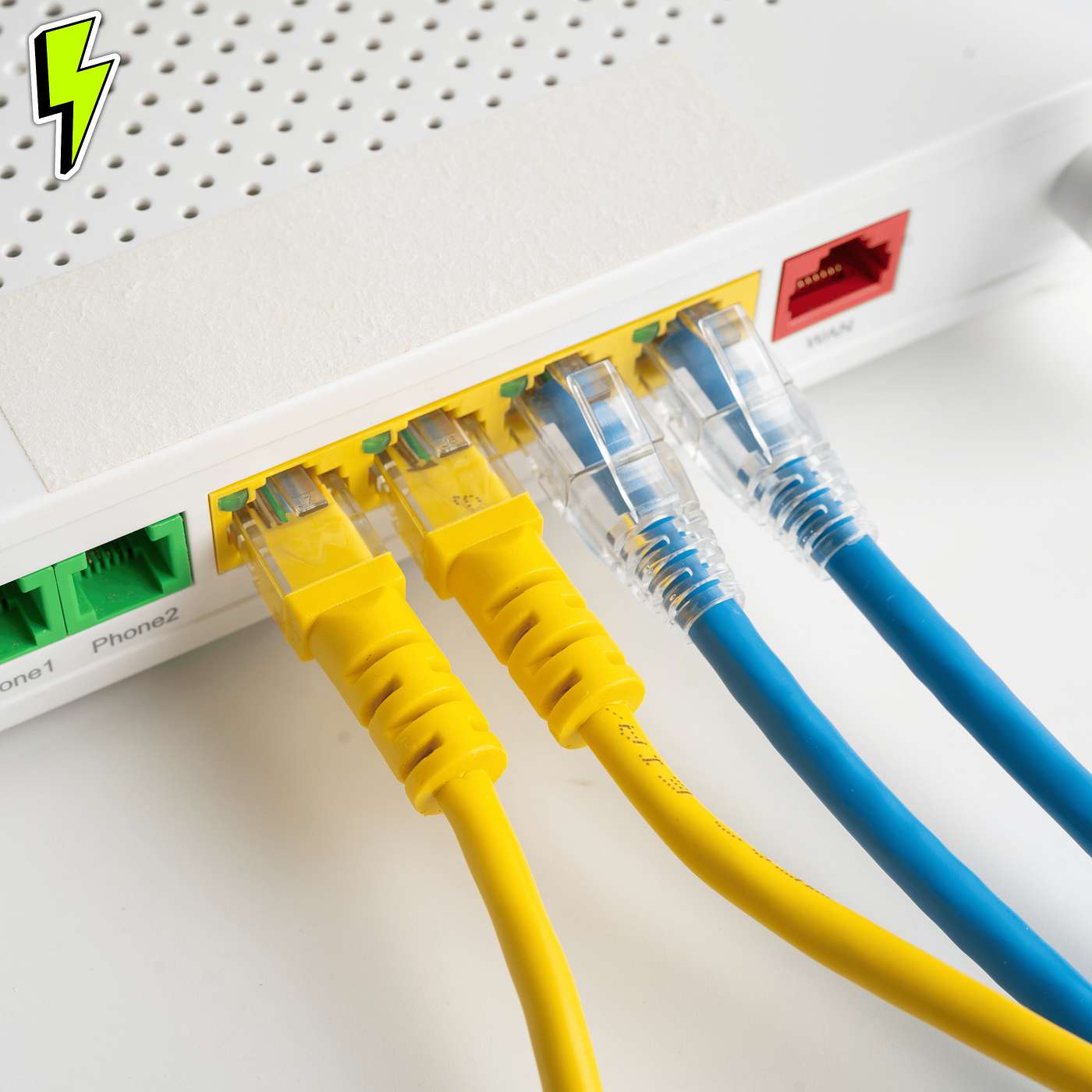
Broadcast Network Security After the FCC Router Covered List
The FCC put foreign-manufactured consumer routers on the covered list, and if your facility is running one of those boxes in a mission-critical spot, it's time for a hard look at the rack. I break down what the new rules actually say, what's still unclear for brands that design in the US but build overseas, and why the real risk isn't the policy. It's what happens when that budget router dies during morning drive with no backup plan.
Then real alternatives that don't need enterprise budgets: pfSense and OPNsense handle VPN tunnels, VLANs, intrusion detection, and full firewall management on hardware you might already own. I share firsthand experience running pfSense on a repurposed Dell desktop across multiple sites, why a known-good backup router matters, and how WireGuard has become serious remote access. If open source support isn't in-house, a local MSP can wrap a contract around it for less than most big vendor solutions.
Also in this episode: a local ownership win in Brookings, South Dakota, where the people running the stations are buying them. A rough FCC inspection story out of New Jersey with tower lights, blocked access, wrong power, and EAS gear that wouldn't turn on. The FCC's HD Radio digital power changes allowing asymmetric sidebands up to minus 10 dBc on eligible FMs at 106.9 and below. And the C band squeeze, with legislation pushing an auction by mid-2027 while rural stations still relying on C band often don't have the fiber options to transition smoothly.
Note:
All opinions and views expressed in this episode are my own and do not represent my employer or any affiliated organizations.
I Built a Networking Cheat Sheet Because Nothing Else Worked
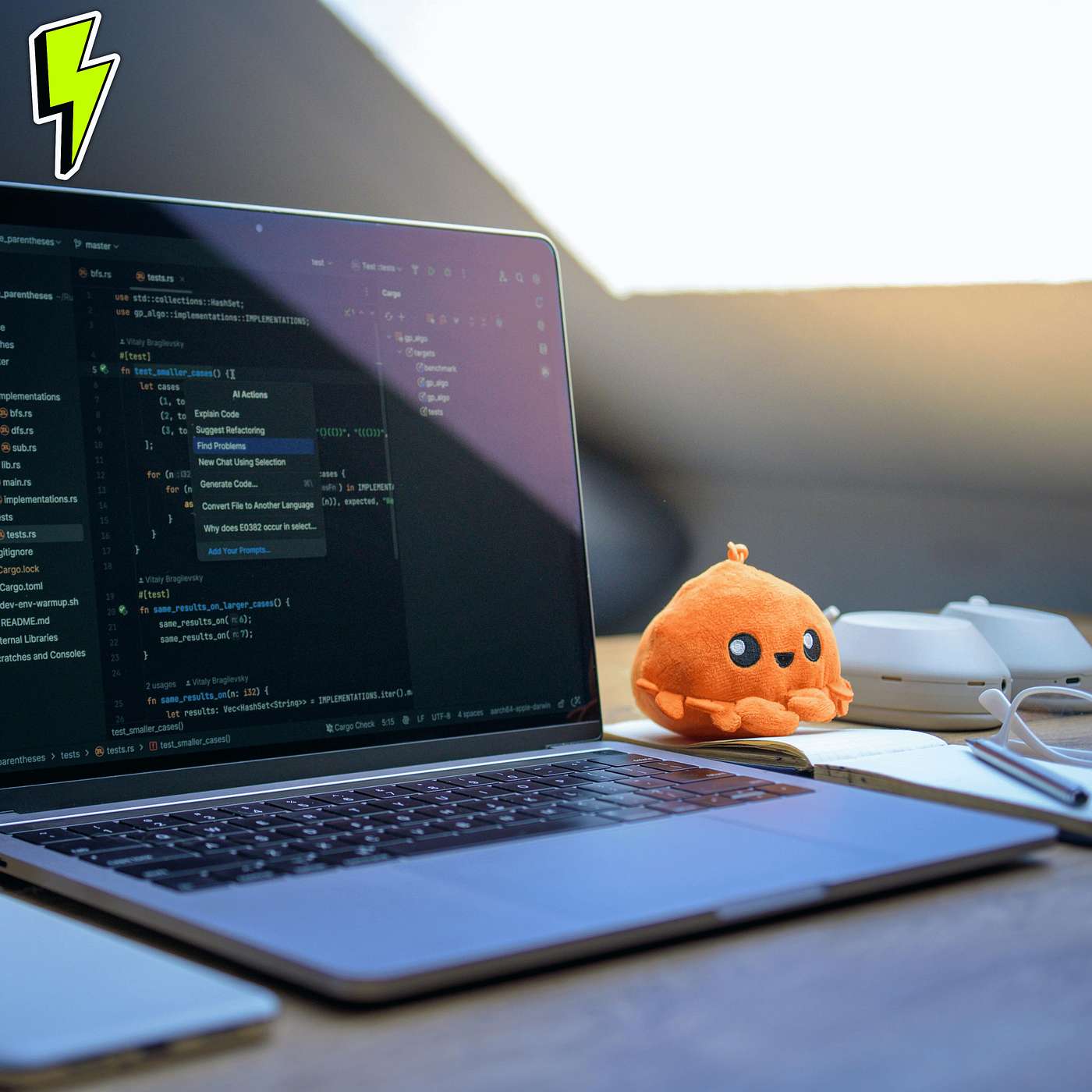
I stopped waiting for the "Ugly's Electrical Reference" of networking and built my own. When you're standing in front of a switch at 11 p.m. and need the exact Cisco IOS command, a clean Wireshark filter, or a subnet answer right now, generic documentation and endless search results are a trap.
I came up through audio, video, transmitters, and signal chains, then had to learn IP networking later while working alongside engineers who recall configs from memory. So I built a locally hosted single-page web app with AI assistance: no logins, no cloud, just a dark-mode reference with categories, quick tools, and a search bar. Subnet math, common ports, the OSI model in plain English, VLAN configs, Cisco command reminders, and broadcast-specific stuff like PTP and AES67 troubleshooting notes.
The twist: the hard part wasn't the code, it was naming what I actually needed to know. Writing better prompts forced me to identify my knowledge gaps, and editing the output turned the guide into a record of my learning. I also take on the "AI is killing fundamentals" argument, because for this use case, I don't buy it. Repetition plus a personal cheat sheet moves knowledge off the screen and into your head.
Note:
All opinions and views expressed in this episode are my own and do not represent my employer or any affiliated organizations.
CBS News Radio Shuts Down
A nearly 100-year-old radio news network is going dark on May 22, roughly 700 affiliates are affected, and the radio news team is gone. This isn't a relic being retired. It's a working system being switched off because it stopped fitting a spreadsheet.
The top-of-hour newscast is infrastructure. Local stations build their clocks, staffing, and listener habits around it. When it's reliable, it makes a station sound like a community service instead of a stream with a transmitter attached. "Challenging economic realities" doesn't explain shutting that off, especially against the backdrop of Paramount's broader cuts.
And then there's the part that burns trust: reports that some affiliates found out from the press release. Radio is a relationship business. When your partners learn the news in public, the message is clear about where they stand. I get into the human cost, the union's reaction, and what this means for local journalism going forward.
Note:
All opinions and views expressed in this episode are my own and do not represent my employer or any affiliated organizations.

Getting Tested For Autism And ADHD At 40
I hit a point where rereading the same sentence three times stopped being funny and started being exhausting. I'm almost 40, and I finally decided to get evaluated for ADHD and autism, because "just try harder" is not a plan.
I go back to school, when neurodivergence was poorly understood and kids like me got parked under vague labels like "specific learning disability" without real answers. Then forward to parenting, where my son's autism and ADHD diagnosis made me recognize patterns I've carried for decades. The turning point came while studying for the CCNA, when technical learning felt like eight radio stations competing at once.
I talk about the moment I realized this isn't laziness or a character flaw, why I finally messaged my doctor, and what scares me about the evaluation, including the possibility of being told I'm fine, or grieving a late diagnosis. And what I'm hoping for: options, language, better strategies, and the relief of not carrying it alone. If an adult evaluation has been on your mind, maybe some of this sounds familiar.
Note:
All opinions and views expressed in this episode are my own and do not represent my employer or any affiliated organizations.
How Paywalling Song Words Hurts Access
YouTube Music blurred the words to your favorite songs and called it premium. This episode digs into the decision to cap free lyric views and sell the unblur, and why charging for basic comprehension is the wrong kind of innovation. A working feature got downgraded to manufacture demand. There's a name for that pattern, and we've all watched it play out before.
I lay out the business logic, licensing costs and conversion targets, and then the better paths that don't punish listeners: synced karaoke-style lyrics, offline packs, translations, annotations. Real premium features that add value instead of walling off access. Don't monetize the ramp. Monetize the elevator.
The accessibility angle is the part that matters most. For deaf and hard of hearing listeners, lyrics aren't a bonus feature. They're access, the same way captions are for video. Paywalling words tells some users that understanding the song depends on their ability to pay. I share what you can actually do about it, starting with feedback that uses accessibility language, because that's the framing these companies can't easily wave off.
Note:
All opinions and views expressed in this episode are my own and do not represent my employer or any affiliated organizations.
Why Ending Weather Radio Canada Makes Storm Alerts Less Reliable
Canada is shutting down Weather Radio Canada, and the timing could not be worse. Those 162 MHz VHF transmitters are a quiet 24/7 public safety backbone, and the replacement plan is apps, websites, and phone alerts. Anyone who has lived through a multi-day outage knows how that goes: power drops, towers drain their backups, backhaul fails, and suddenly the "widely available technologies" aren't available at all.
I break down what Weather Radio Canada actually does, who loses when it goes dark, and why it's not just remote northern communities. It's older folks with SAME-capable radios, truckers, farmers, and volunteer groups using it as a backup feed.
The question underneath all of it: what does redundancy actually mean in 2026, when climate change is driving longer outages and we keep removing the durable layers because they don't look modern on a budget sheet?
Note:
All opinions and views expressed in this episode are my own and do not represent my employer or any affiliated organizations.
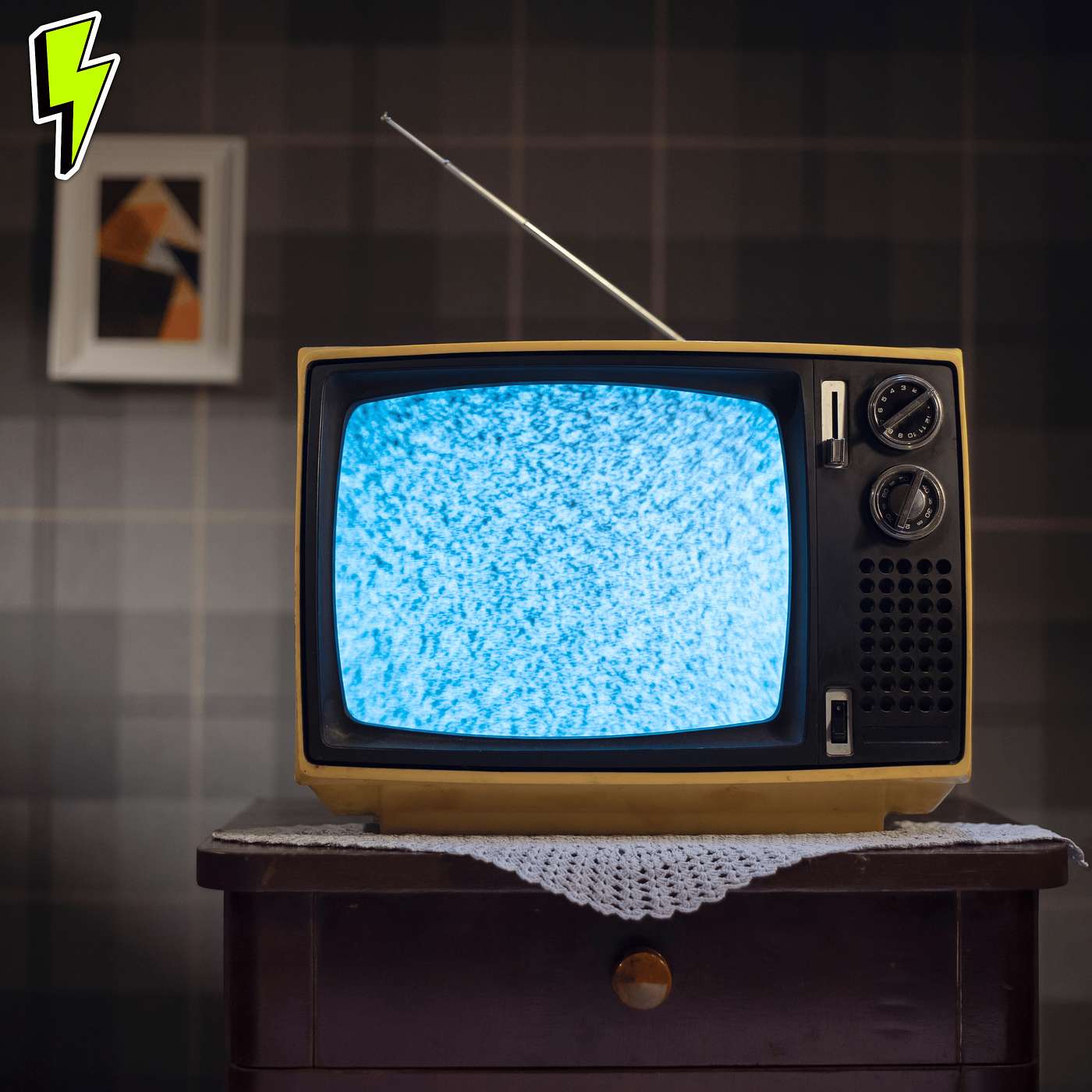
We Used To Doomscroll On Cable And It Was Called The TV Guide Channel
Before infinite feeds, there was Channel 99: a scrolling list of what was on, and you sat there waiting for your channel to come back around like it was a small punishment. Turns out the system behind it was more interesting than the scroll. Local headends, satellite data, and a Commodore Amiga rendering your entire lineup as live video around the clock, complete with the occasional guru meditation crash.
I trace how an electronic program guide became a full-time channel, the shift from Preview to the TV Guide Channel in 1999, and how smarter set-top boxes eventually killed the linear scroll by letting you search and filter instead of waiting.
The bigger point: television has been software for a long time, running on real-time rendering and uptime engineering that never got credit. And the psychology of that scroll, the looped promise that your thing was coming back, was doomscrolling before we had a word for it.
Note:
All opinions and views expressed in this episode are my own and do not represent my employer or any affiliated organizations.
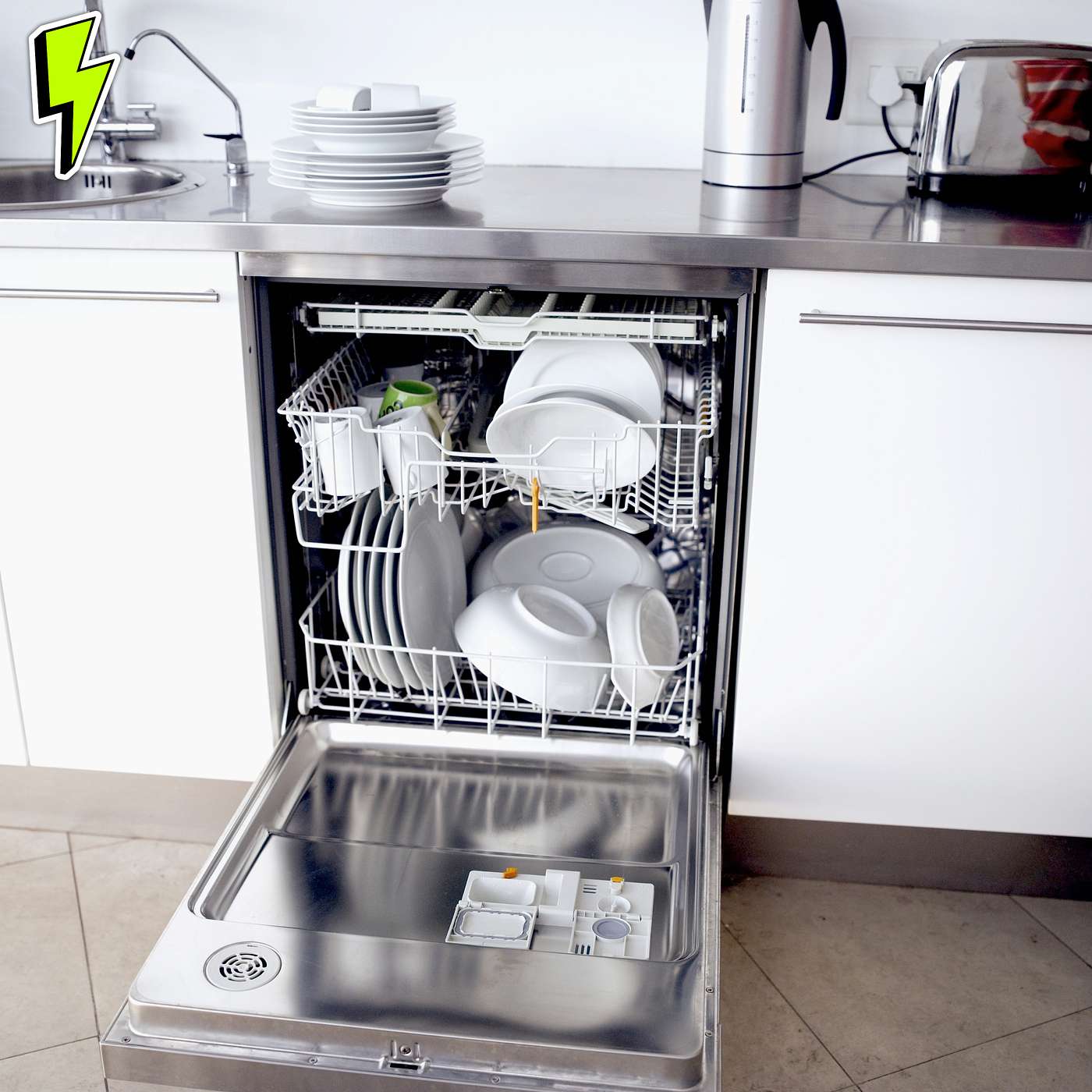
Your Oven Doesn’t Need Wi‑Fi, Unless It Wants Your Wallet
Your dishwasher doesn't need a firmware update to clean plates, and your oven shouldn't require an account to roast dinner. This episode is about the gap between promised convenience and what connected appliances actually do: collect data, gate features, and creep ads into places they don't belong.
I separate three things that get lumped together as "smart." Optional convenience can be genuinely useful, like a notification when the fridge door is open. Remote diagnostics can legitimately improve support. The third category is the problem: core features locked behind connectivity, accounts, or cloud services. Independent testing shows appliances phoning home with megabytes of data weekly, and companion apps stuffed with third-party trackers building a timeline of your day. I've got the examples, including a high-end oven that needed Wi-Fi to unlock convection roast.
The playbook: decide if you need connectivity at all, connect only for warranty diagnostics if you must, isolate devices on a guest network, minimize app permissions, and stop paying premiums for embedded screens that age badly and invite ads. Shopping rule of thumb: buy appliances that work fully offline, with connectivity as an option, not a gate.
Note:
All opinions and views expressed in this episode are my own and do not represent my employer or any affiliated organizations.
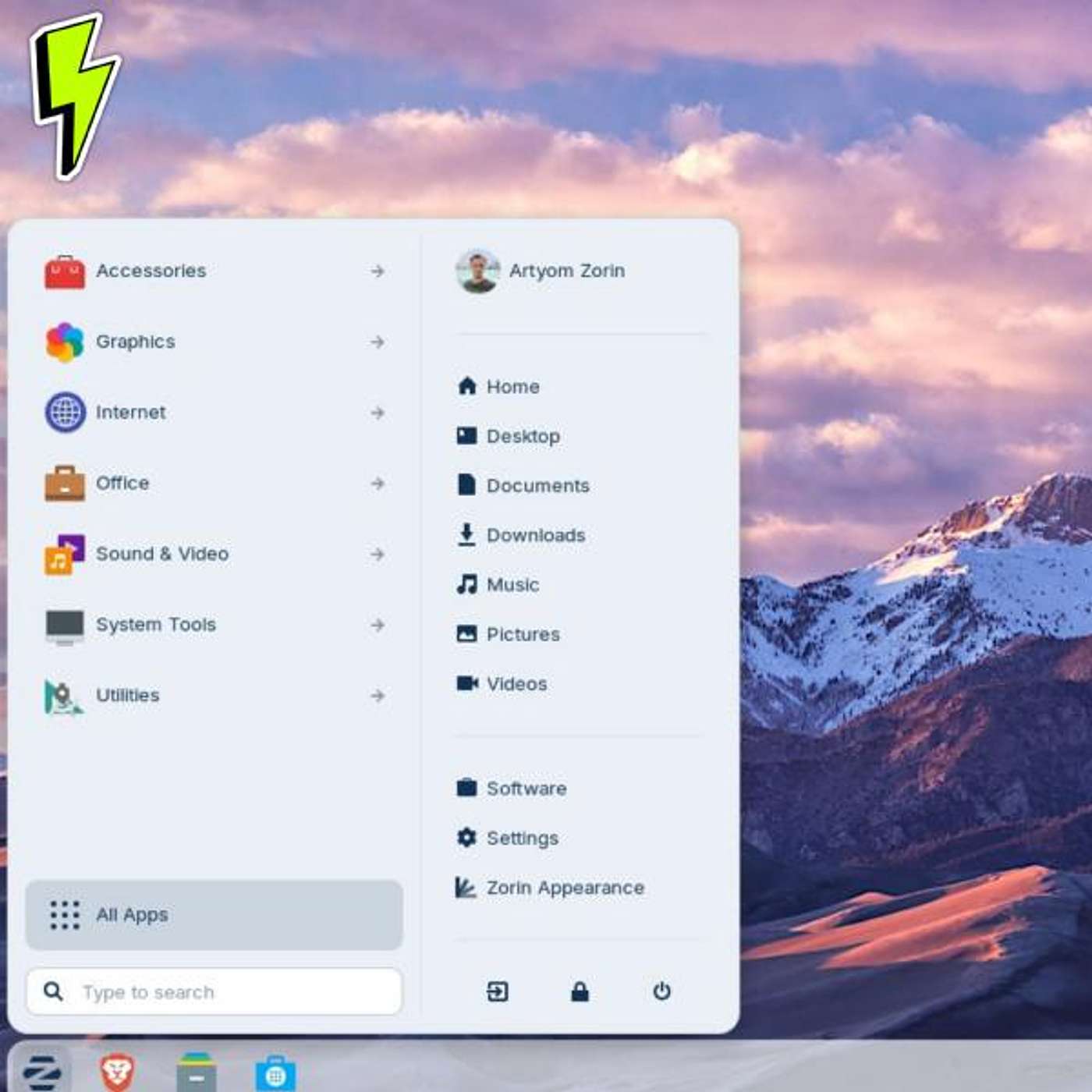
You Don’t Need A New PC: Switch To Zorin And Keep Working
Windows 10 support ended, and Microsoft's answer is hardware requirements that sideline perfectly capable machines. There's a smarter path than buying a new PC: Zorin OS, a Linux desktop built to feel familiar while staying fast and secure on the hardware you already own.
I cover what actually changes when Windows support ends, why Zorin's Ubuntu LTS base matters, the Windows-like layouts, and how the Web Apps feature makes tools like Outlook, Google Docs, and Slack feel native. Then the honest part: compatibility. Wine handles simple tools fine, but Adobe Creative Cloud, full-fat Office, and niche vendor apps are dealbreakers, and gaming still favors Windows for anti-cheat titles even with Proton doing heavy lifting.
The plan I lay out: test everything from a live USB before touching your disk, use dual boot as a safety net, and for small businesses, keep one or two Windows anchor machines for the stubborn line-of-business software while moving browser-centric roles over. Extend the hardware's life, cut the e-waste, keep working.
Note:
All opinions and views expressed in this episode are my own and do not represent my employer or any affiliated organizations.
Why Smart TVs Track You And How To Stop It
Your TV is not just a screen. It's an ad tech computer with a giant display, and it's hungry for your viewing data. Automatic content recognition fingerprints what's on screen, even over HDMI from your cable box or console. App usage and button presses get logged as telemetry. Advertising IDs, emails, and payment details get stitched into a household profile.
I connect it to the business model: margins on the panel are thin, the real money is the platform. That's why opt-out toggles are buried, renamed, or quietly reset after updates. The Vizio settlement proved this isn't hypothetical, and even the simpler platforms keep trying to re-enable personalization.
The most reliable fix is structural, not a scavenger hunt through menus: keep the TV offline entirely. Treat the panel as a dumb screen and put streaming on a separate box you control. If it has to connect, isolate it on a guest network or VLAN and use Pi-hole or NextDNS to cut the tracking traffic down, knowing DNS blocks are partial. The goal is leverage. Swap a small box instead of a big screen, and stop the profiling at the network boundary.
Note:
All opinions and views expressed in this episode are my own and do not represent my employer or any affiliated organizations.
Why Your Laptop Feels Slow (And the Storage Upgrade That Fixes It)
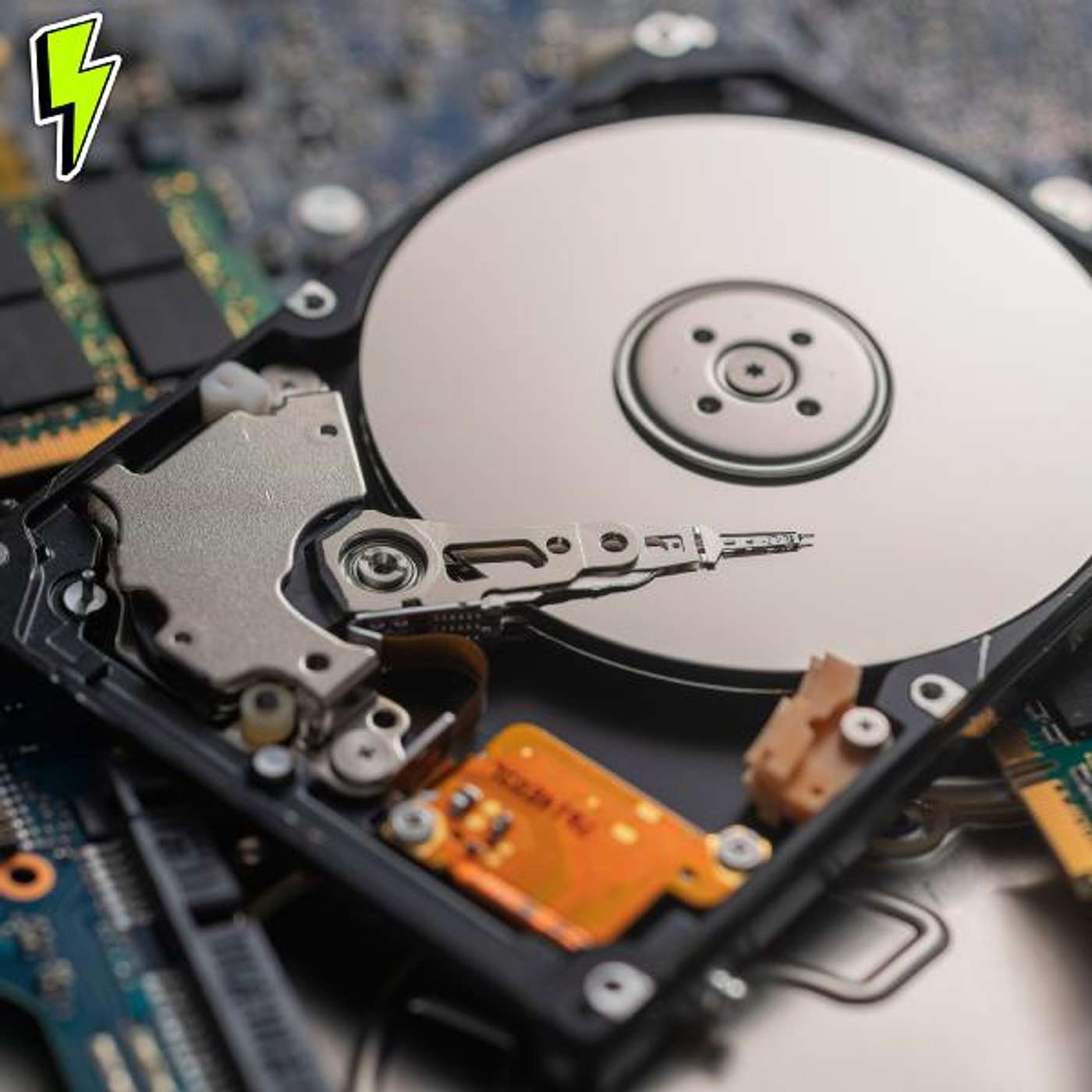
Your laptop shouldn't feel like it's wading through syrup, and the fix is usually storage, not a new machine. This episode untangles the acronyms that confuse everyone: HDD, SSD, NVMe, and M.2, and what each one actually means for boot times, game loads, and general responsiveness.
The key is separating the layers people mix up. HDD versus SSD is the technology, mechanical versus solid state. SATA versus NVMe is the interface, which sets the speed ceiling. M.2 is just the physical shape, not a performance guarantee, which is exactly how people end up paying premium prices for SATA-limited hardware.
I walk through the common scenarios: the brand-new but suspiciously cheap laptop that ships with a spinning disk, the gamer stuck on loading screens, the creator who needs smooth scrubbing and faster exports. You'll leave knowing which words on the spec sheet matter, NVMe and PCIe, and how to buy the upgrade that changes how the computer feels instead of the one that just looks good on paper.
Note:
All opinions and views expressed in this episode are my own and do not represent my employer or any affiliated organizations.

How to Use AI Tools Without Getting Burned by Them
Forget the hype cycle. This episode breaks AI into pieces you can actually use: the broad umbrella term, machine learning underneath it, and generative tools like ChatGPT, Claude, Gemini, and Copilot on top. These models predict tokens to produce fluent language, and fluent is not the same as true.
I get into the difference between chat and search, why treating a chatbot like a fact engine will burn you, and where these tools genuinely help: drafting, summarizing dense documents, untangling messy email threads, comparing options when you provide the specs.
The practical core is a five-point checklist: define the role and quality bar, add constraints, treat output as a draft rather than an authority, learn the red flags, and protect sensitive data. And for legal, medical, or financial decisions, get a qualified human involved. The tools are useful. Trusting the confident tone is the mistake.
Note:
All opinions and views expressed in this episode are my own and do not represent my employer or any affiliated organizations.
Google Results Are Garbage Now. Here's What Actually Happened.
You asked for a library and got a shopping mall. This episode digs into why search results slid downhill: crowded ad units, affiliate-heavy pages, and AI summaries that sound confident while averaging mediocre sources.
I walk through the mechanics in plain English. Monetization reshaped the first screen, SEO turned into an adversarial game, click metrics misread satisfaction, and AI made polished but shallow content nearly free to produce at scale. The result is a feedback loop where high-effort content declines and users get served summaries of summaries.
Then the practical part: surgical search operators, favoring vendor docs and standards over listicles, verifying AI answers against at least two solid sources, and building your own trust graph with bookmarks, RSS, and notes on who was right last time. Search is how we fix gear, pick tools, and check claims. Bad incentives become bad decisions, and it's worth knowing how to route around them.
Note:
All opinions and views expressed in this episode are my own and do not represent my employer or any affiliated organizations.

Is the Internet Fake? Breaking Down Dead Internet Theory
Ever scroll past the same joke, the same cropped video, and replies that don't quite sound human? This episode digs into why the web feels hollow without buying the doomsday version. I frame dead internet theory like a signal problem: automation raised the noise floor, ranking systems amplified low-cost content, and honest creators now compete with industrial output optimized for clicks.
The soft claim holds up: bots, SEO farms, and AI pipelines really are flooding feeds and search. The hard claim doesn't: humans haven't vanished. What changed is the layer you see, curated by algorithms that maximize engagement. If you can publish 10,000 posts and only 10 need to hit to pay, volume wins, and the ranking loop gets gamed with fake likes and coordinated replies. Trust takes the hit.
I tour the damage across search, social, short video, and forums, then get practical: treat feeds as outputs rather than reality, curate aggressively, learn the quick tells for bots and source-free videos, lean on RSS and reputable newsletters, and harden your browser. One rule holds through all of it: authenticity costs something. Real people have constraints and histories. Industrial content is smooth and interchangeable. If you want the internet to feel alive again, go where humans pay a cost to be present.
Note:
All opinions and views expressed in this episode are my own and do not represent my employer or any affiliated organizations.
The Internet's Phone Book: What DNS Is and Why It Breaks
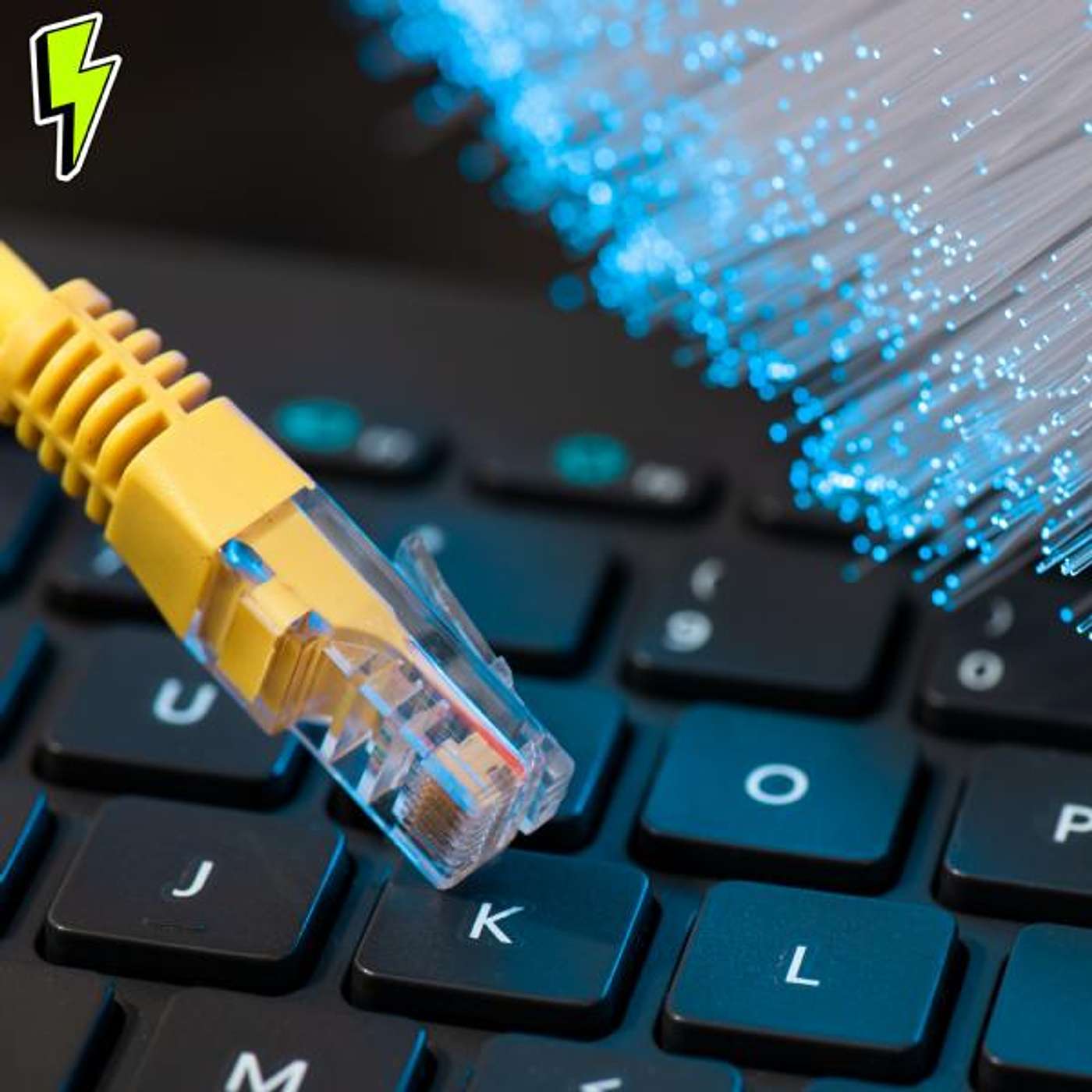
You type an address, hit enter, and a page shows up. Or it doesn't, and you have no idea why. This episode walks through everything that actually happens in between: cache checks, DNS lookups, TLS handshakes, and packets hopping across routers and fiber before your page assembles on screen.
The goal is a clear mental model, not a networking course. You'll learn how DNS differs from the website itself, why HTTPS matters on public Wi-Fi, and why one tab spins while another loads instantly.
I close with a practical troubleshooting playbook: separate Wi-Fi problems from internet problems with a quick cellular test, try a trusted resolver like 1.1.1.1 or 8.8.8.8, reboot things in the right order, and figure out whether the slow part is your device, your network, or someone else's server. Next time someone says "the internet is down," you'll know where to look.
Note:
All opinions and views expressed in this episode are my own and do not represent my employer or any affiliated organizations.
Why Your Wi-Fi Feels Slow (It's Not the Bars)
Full bars, and Netflix still buffers. The problem isn't your internet plan, it's the air you share. Wi-Fi is radio, devices take turns talking, and a busy evening throttles performance even when the signal looks strong. Once you see Wi-Fi as a shared intersection instead of a private lane, everything about placement, bands, and channels makes more sense.
I walk through the bands in plain terms: 2.4 GHz for reach, 5 GHz for speed, 6 GHz for cleaner air with Wi-Fi 6E and 7. Then the standards without the marketing: Wi-Fi 5 for peak speed, 6 for efficiency under load, 6E for fresh spectrum, 7 for capacity and latency. You're not chasing bandwidth, you're competing for airtime.
Houses usually have coverage problems, apartments usually have contention problems, and the fixes are different. I finish with a five-step checklist: move the access point, match band to device, right-size your channel width, add APs with wired backhaul when you can, and upgrade for efficiency rather than the number on the box. If it still melts down after all that, then you've earned the right to side-eye your ISP. After you move the router out of that cabinet.
All opinions and views expressed in this episode are my own and do not represent my employer or any affiliated organizations.
No episodes match that search.